
The Complete Neighborhood Guide for Awnings for Richmond, VA
Dec 30, 2025
If you’re searching for awnings in Richmond, VA, you want an option that matches the vibe of the neighborhood you live or work in. When it comes to choosing an awning, the right one for you depends heavily on where it is and how people use the space.
Below, we’ll go in-depth, neighborhood by neighborhood, and explain what our experts at Roberts Awnings suggest for the areas you live and work.
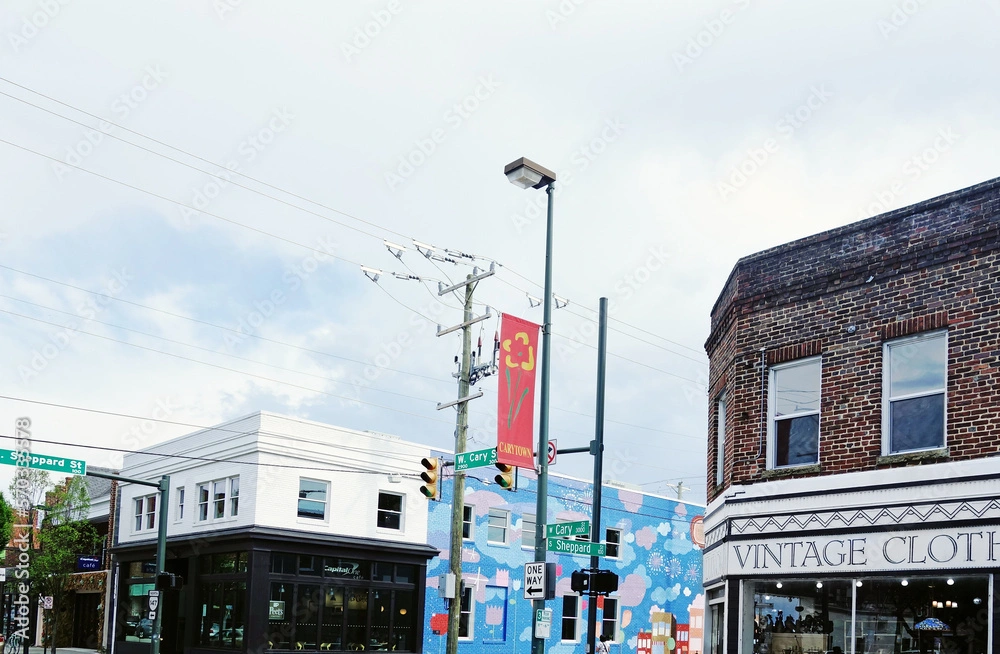 Carytown mixes bright murals, tight storefronts, and constant sidewalk traffic. Branding matters, but so does fitting into a narrow façade.
For businesses, our awnings experts think you should consider a shallow-projection commercial fabric awning or slim metal canopy over the storefront. It keeps sidewalk shoppers dry, gives you a clean logo that can be read from across Cary Street, and leaves room for neighboring signs. Adding simple under-awning lighting makes entrances feel safe and inviting when the sun goes down.
On the residential side streets, retractable patio awnings and compact door hoods are a good fit. They keep rowhouse steps and stoops dry and create shaded backyard patios without blocking the second-story windows that bring in natural light.
Fade-resistant fabrics are a must here in Carytown because the neighborhood sees a lot of direct sun and plenty of spring pollen due to the mature trees along the roads and alleys.
Carytown mixes bright murals, tight storefronts, and constant sidewalk traffic. Branding matters, but so does fitting into a narrow façade.
For businesses, our awnings experts think you should consider a shallow-projection commercial fabric awning or slim metal canopy over the storefront. It keeps sidewalk shoppers dry, gives you a clean logo that can be read from across Cary Street, and leaves room for neighboring signs. Adding simple under-awning lighting makes entrances feel safe and inviting when the sun goes down.
On the residential side streets, retractable patio awnings and compact door hoods are a good fit. They keep rowhouse steps and stoops dry and create shaded backyard patios without blocking the second-story windows that bring in natural light.
Fade-resistant fabrics are a must here in Carytown because the neighborhood sees a lot of direct sun and plenty of spring pollen due to the mature trees along the roads and alleys.
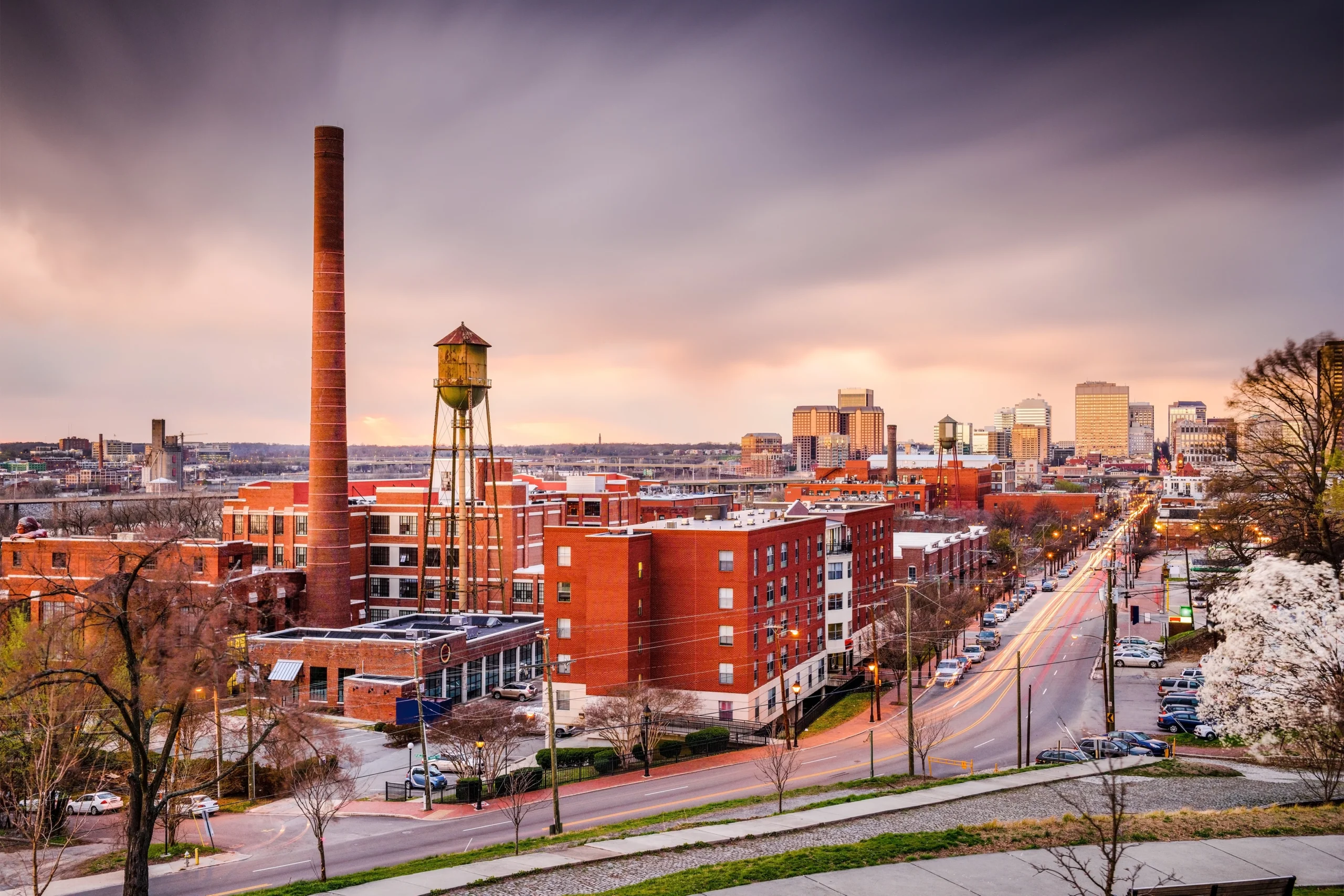 Church Hill is Richmond’s oldest neighborhood, and it’s elevation gives you sweeping views and more exposure. West-facing porches and decks take a beating from afternoon sun and winds, while the neighborhood’s historic character calls for a design that matches the architecture of the area.
On the residential side, retractable awnings on rear decks and terraces are a popular choice. You can drop them for shade in July and August, then retract them to enjoy those skyline views the rest of the year. Fixed fabric or metal door and window awnings help protect steps from winter weather and add a classic touch that feels original to the home.
Drop-down curtains on back porches work well for blocking low western sun without fully enclosing the space or trapping heat. For small businesses and cafés along Broad or Venable, narrow commercial awnings that mark the entrance without covering upper windows. More industrial or infill projects may be better served by metal canopies.
Because wind exposure on the hill can get intense during summer thunderstorms, retractable units should be mounted into structure and ideally paired with wind sensors.
Church Hill is Richmond’s oldest neighborhood, and it’s elevation gives you sweeping views and more exposure. West-facing porches and decks take a beating from afternoon sun and winds, while the neighborhood’s historic character calls for a design that matches the architecture of the area.
On the residential side, retractable awnings on rear decks and terraces are a popular choice. You can drop them for shade in July and August, then retract them to enjoy those skyline views the rest of the year. Fixed fabric or metal door and window awnings help protect steps from winter weather and add a classic touch that feels original to the home.
Drop-down curtains on back porches work well for blocking low western sun without fully enclosing the space or trapping heat. For small businesses and cafés along Broad or Venable, narrow commercial awnings that mark the entrance without covering upper windows. More industrial or infill projects may be better served by metal canopies.
Because wind exposure on the hill can get intense during summer thunderstorms, retractable units should be mounted into structure and ideally paired with wind sensors.
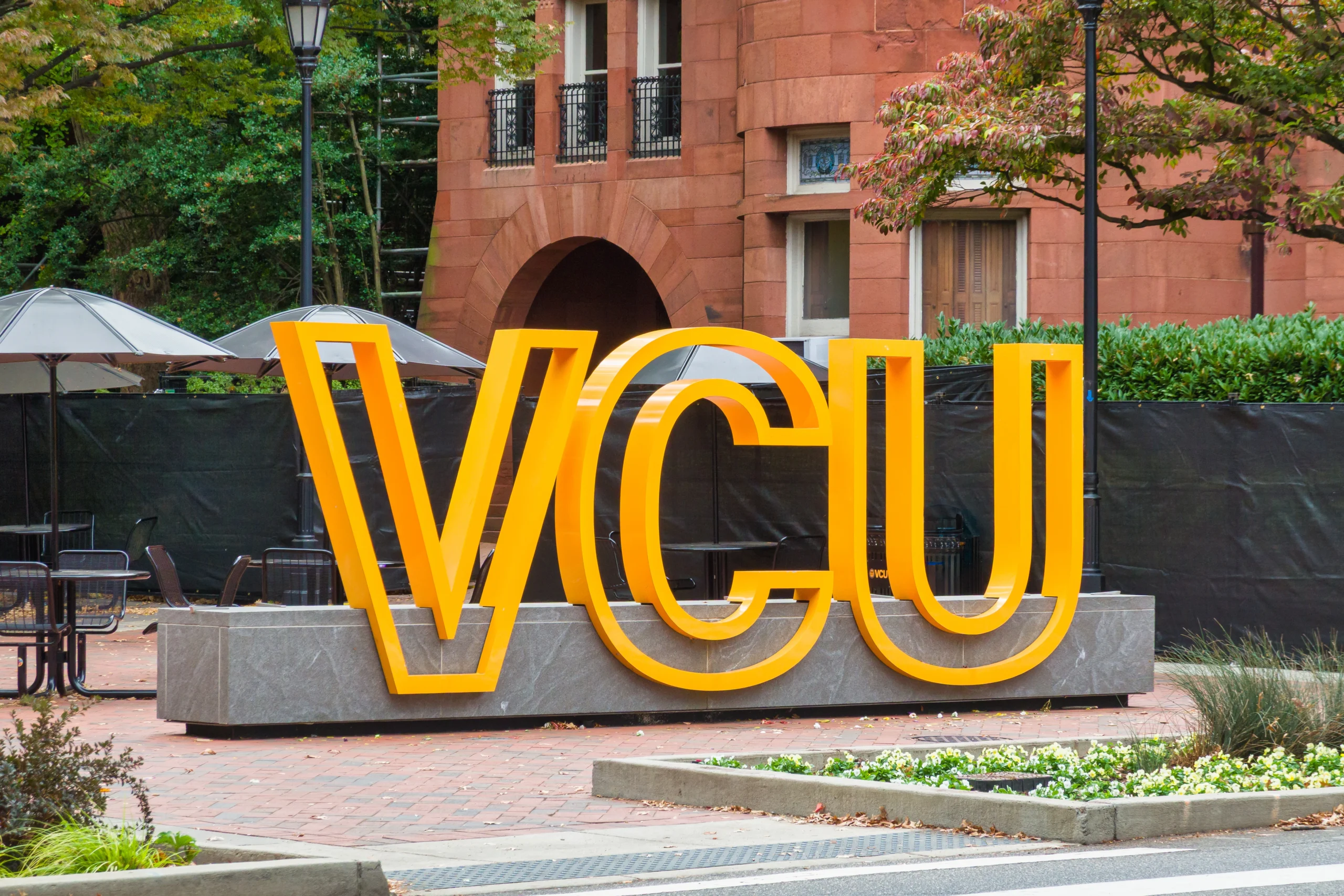 The VCU campus area is its own ecosystem full of dorms and student apartments, coffee shops, food spots, and small offices all packed into a few busy blocks. Sidewalks stay crowded most of the day, and doors are opening and closing constantly.
For businesses that serve the campus area, compact commercial fabric awnings or slim metal canopies over the storefront are usually the best fit. They give you instant visibility from across the street, cut glare on big glass windows, and create a dry pocket where students can queue or wait on to-go orders. Because signs, banners, and window vinyl are everywhere in this area, a well-designed awning with legible graphics is what will send students your way.
Student housing and mixed-use buildings around campus benefit from practical shade just as much. Fixed door awnings over lobby and stairwell entrances help keep card readers and concrete steps dry, which cuts down on slip hazards when it’s pouring between classes. On upper floors, small balconies and rooftop amenity decks often feel unusable in peak summer sun. That’s where a retractable awning system makes a lot of sense because it can turn those spaces into real hangouts.
Because the VCU area sees a lot of late-night foot traffic, it’s worth thinking about lighting and security when planning awnings. Integrating discreet lighting under a canopy or along the fascia line keeps entrances bright and makes it easier for students to spot their destination from a block away.
And with buses, bikes, and delivery vehicles all sharing tight streets, frames and mounting hardware need to be engineered for both wind and the inevitable bumps of city life.
The VCU campus area is its own ecosystem full of dorms and student apartments, coffee shops, food spots, and small offices all packed into a few busy blocks. Sidewalks stay crowded most of the day, and doors are opening and closing constantly.
For businesses that serve the campus area, compact commercial fabric awnings or slim metal canopies over the storefront are usually the best fit. They give you instant visibility from across the street, cut glare on big glass windows, and create a dry pocket where students can queue or wait on to-go orders. Because signs, banners, and window vinyl are everywhere in this area, a well-designed awning with legible graphics is what will send students your way.
Student housing and mixed-use buildings around campus benefit from practical shade just as much. Fixed door awnings over lobby and stairwell entrances help keep card readers and concrete steps dry, which cuts down on slip hazards when it’s pouring between classes. On upper floors, small balconies and rooftop amenity decks often feel unusable in peak summer sun. That’s where a retractable awning system makes a lot of sense because it can turn those spaces into real hangouts.
Because the VCU area sees a lot of late-night foot traffic, it’s worth thinking about lighting and security when planning awnings. Integrating discreet lighting under a canopy or along the fascia line keeps entrances bright and makes it easier for students to spot their destination from a block away.
And with buses, bikes, and delivery vehicles all sharing tight streets, frames and mounting hardware need to be engineered for both wind and the inevitable bumps of city life.
Best awnings for Carytown
Carytown mixes bright murals, tight storefronts, and constant sidewalk traffic. Branding matters, but so does fitting into a narrow façade.
For businesses, our awnings experts think you should consider a shallow-projection commercial fabric awning or slim metal canopy over the storefront. It keeps sidewalk shoppers dry, gives you a clean logo that can be read from across Cary Street, and leaves room for neighboring signs. Adding simple under-awning lighting makes entrances feel safe and inviting when the sun goes down.
On the residential side streets, retractable patio awnings and compact door hoods are a good fit. They keep rowhouse steps and stoops dry and create shaded backyard patios without blocking the second-story windows that bring in natural light.
Fade-resistant fabrics are a must here in Carytown because the neighborhood sees a lot of direct sun and plenty of spring pollen due to the mature trees along the roads and alleys.
Best awnings for Scott’s Addition
Scott’s Addition is packed with converted warehouses, breweries, apartments, and event spaces. In this neighborhood, there’s plenty of open concrete, wide sidewalks, and big roll-up doors. Standing-seam metal canopies and engineered fabric canopies are a great choice in this neighborhood. Deep metal canopies over loading docks and brewery entrances protect doors and guests during storms. Wide canopies or awnings above roll-up doors help blur the line between indoor and outdoor seating, creating shade for long communal tables and cornhole courts at one of the many breweries. For lofts and newer townhomes, retractable awnings on roof decks or small balconies can turn an exposed outdoor slab into living space where you’d be happy to host guests. Because many corners in Scott’s Addition are windy, it pays to choose robust frames and wind-sensing hardware.Best awnings for the Fan and Museum District
In the Fan and Museum District, architecture is the main character. Long rows of historic homes and corner restaurants mean awnings should look like they’ve always been part of the block. For homes, small fabric door and window awnings with classic shed or quarter-round shapes usually fit best. They echo existing porch roofs and trim, keep steps dry, and cool interiors by shading glass. In backyards and courtyards, retractable patio or balcony awnings let you shade a brick patio on hot days without permanently changing the home’s street-facing look. Restaurants and professional offices in these neighborhoods often lean on traditional fabric storefront awnings in solid colors or simple stripes. A modest valance with tasteful graphics gives you a sign band without overwhelming the brick and cornice details around it.Best awnings for Church Hill
Church Hill is Richmond’s oldest neighborhood, and it’s elevation gives you sweeping views and more exposure. West-facing porches and decks take a beating from afternoon sun and winds, while the neighborhood’s historic character calls for a design that matches the architecture of the area.
On the residential side, retractable awnings on rear decks and terraces are a popular choice. You can drop them for shade in July and August, then retract them to enjoy those skyline views the rest of the year. Fixed fabric or metal door and window awnings help protect steps from winter weather and add a classic touch that feels original to the home.
Drop-down curtains on back porches work well for blocking low western sun without fully enclosing the space or trapping heat. For small businesses and cafés along Broad or Venable, narrow commercial awnings that mark the entrance without covering upper windows. More industrial or infill projects may be better served by metal canopies.
Because wind exposure on the hill can get intense during summer thunderstorms, retractable units should be mounted into structure and ideally paired with wind sensors.
Best awnings for Shockoe Slip and Shockoe Bottom
Shockoe Slip and Shockoe Bottom blend brick warehouses, cobblestone streets, restaurants, bars, and offices. In Shockoe Slip, elegant fabric awnings over restaurant entrances and sidewalk seating areas are common. They soften the heavy brick, set a tone for guests, and keep tables and waiting areas dry. Secondary service doors and alleys often benefit from rugged metal canopies that can handle bumps from deliveries and years of exposure. Shockoe Bottom tends to favor sturdier solutions like deeper fabric awnings with strong frames or full metal canopies over doors that see heavy foot traffic and, at times, high water. Multi-tenant office and residential buildings often rely on walkway covers to move people from parking to the lobby without soaking them. Good under-canopy lighting is especially helpful on cobblestone blocks at night.Best awnings for Southside and suburban Richmond
Once you start hitting the Richmond suburbs, you’ll see more shopping centers, medical offices, and single-family homes. For homes in the West End, Northside, and Southside, retractable patio awnings are a great choice. They tame late-day sun on backyard decks and concrete patios, protect sliding doors from UV damage, and give families a shaded place to eat or watch kids play. Simple door awnings keep steps and thresholds dry and reduce wear on exterior doors. Where homeowners want three-season outdoor living, screen rooms or glass rooms can extend the calendar without fully building an addition. Businesses in these areas frequently use continuous metal canopies along retail strips to cover shared sidewalks and help customers move from bay to bay in bad weather. Individual tenants might add branded fabric awnings to define their own storefront. In light industrial pockets and along distribution corridors, heavy-duty dock canopies and industrial awnings protect personnel, product, and dock doors from rain and intense sun. In HOA neighborhoods, you’ll most likely need to match awning fabrics and frame colors to roofs and trim and get preapproval. For medical offices and clinics, covered drop-off zones and shaded waiting spots near entries make a huge difference in patient comfort.Best awnings for Monroe Ward
Monroe Ward sits right between VCU’s academic core and downtown offices, so awnings here have to work for students grabbing coffee, professionals heading to meetings, and residents living above the storefronts. Buildings are often tall and narrow, with retail or restaurants at street level and apartments or studios above, which means every inch of façade space matters. For ground-floor businesses, slim commercial fabric awnings or shallow metal canopies over the storefront usually make the most sense. They keep rain off the entry, cut glare on glass, and create a defined band for signage without blocking transom windows or competing with upper floors. On blocks with more nightlife or late hours, it’s worth integrating subtle under-awning lighting so doorways feel safe and easy to spot from down the street. Residential doors and side entries in Monroe Ward benefit from compact door and window awnings that protect steps, hardware, and wood trim from weather. On the back side of buildings, where there’s often a small deck or rooftop patio, a retractable awning can turn a very exposed outdoor sliver into a usable hangout in the evenings. The key here is proportion so that the awnings feel integrated into the brick or stucco façades.Best awnings for Court End
Court End is one of Richmond’s most historic and institutional districts, home to museums, courthouses, and major medical facilities. In this neighborhood, awnings have less to do with bold branding and more to do with comfort, dignity, and architectural respect. For hospitals, clinics, and law offices, covered drop-off zones and entrance canopies are essential. Engineered metal canopies or conservative fabric awnings over patient and client entrances keep vehicles and pedestrians dry during storms and give visitors a clear signal of where to go. Smaller side entries used by staff, deliveries, or service vendors also benefit from simple door hoods that keep stairs and thresholds from staying slick in wet weather. On older homes and preserved structures in Court End, awnings should lean toward classic forms and subdued colors. A shallow shed-style awning over a side door, or a narrow fabric window awning over a sun-exposed opening, can protect historic woodwork and reduce interior heat gain without overpowering the façade. Because many buildings in this area are subject to stricter design expectations, it’s important to choose shapes and mounting heights that align with existing trim and cornices, and to work with a company that understands how to respect historic details while still delivering modern performance.Best awnings for the VCU campus
The VCU campus area is its own ecosystem full of dorms and student apartments, coffee shops, food spots, and small offices all packed into a few busy blocks. Sidewalks stay crowded most of the day, and doors are opening and closing constantly.
For businesses that serve the campus area, compact commercial fabric awnings or slim metal canopies over the storefront are usually the best fit. They give you instant visibility from across the street, cut glare on big glass windows, and create a dry pocket where students can queue or wait on to-go orders. Because signs, banners, and window vinyl are everywhere in this area, a well-designed awning with legible graphics is what will send students your way.
Student housing and mixed-use buildings around campus benefit from practical shade just as much. Fixed door awnings over lobby and stairwell entrances help keep card readers and concrete steps dry, which cuts down on slip hazards when it’s pouring between classes. On upper floors, small balconies and rooftop amenity decks often feel unusable in peak summer sun. That’s where a retractable awning system makes a lot of sense because it can turn those spaces into real hangouts.
Because the VCU area sees a lot of late-night foot traffic, it’s worth thinking about lighting and security when planning awnings. Integrating discreet lighting under a canopy or along the fascia line keeps entrances bright and makes it easier for students to spot their destination from a block away.
And with buses, bikes, and delivery vehicles all sharing tight streets, frames and mounting hardware need to be engineered for both wind and the inevitable bumps of city life.
 Bill F.